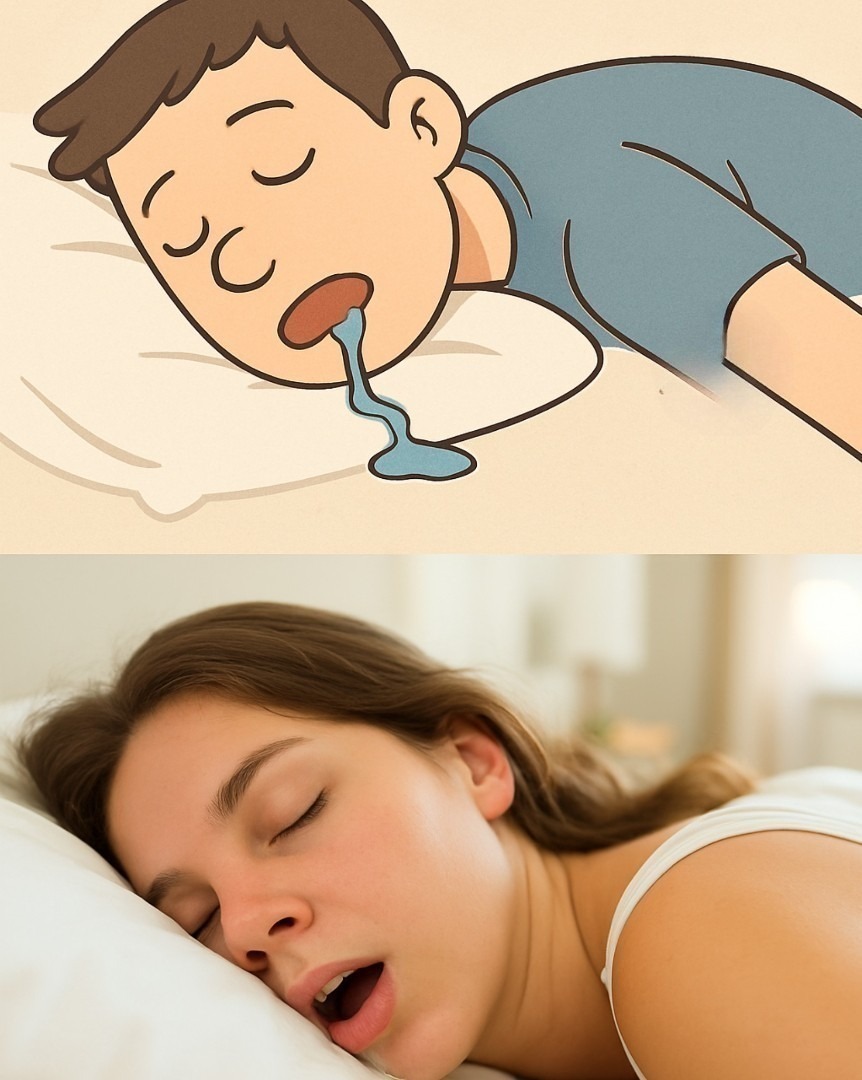
Reduces infections that stimulate saliva
Manage stress
Lowers nervous system overactivity
Avoid alcohol before bed
Relaxes throat muscles excessively
Practical Solutions
Use a wedge pillow to elevate head slightly
Try mouth tape (designed for sleep) only if you can breathe comfortably through your nose
Keep a soft towel by your pillow for easy cleanup
Apply a barrier cream (like petroleum jelly) to prevent skin irritation
❓ FAQs: Your Questions, Answered
Q: Is drooling during sleep ever normal for adults?
A: Yes—occasional drooling due to sleep position, congestion, or fatigue is common. Concern arises with new, frequent, or one-sided drooling.
Q: Can anxiety cause nighttime drooling?
A: Indirectly. Anxiety can cause mouth breathing, teeth grinding, or disrupted sleep—all of which may contribute.
Q: Does drooling mean I have Parkinson's?
A: No. Drooling alone is rarely diagnostic. Parkinson's involves multiple progressive symptoms (tremor, stiffness, balance issues).
Q: Can I stop drooling by training myself to swallow in my sleep?
A: Not consciously—but treating underlying causes (like sleep apnea or reflux) often resolves it.
read more in next page